
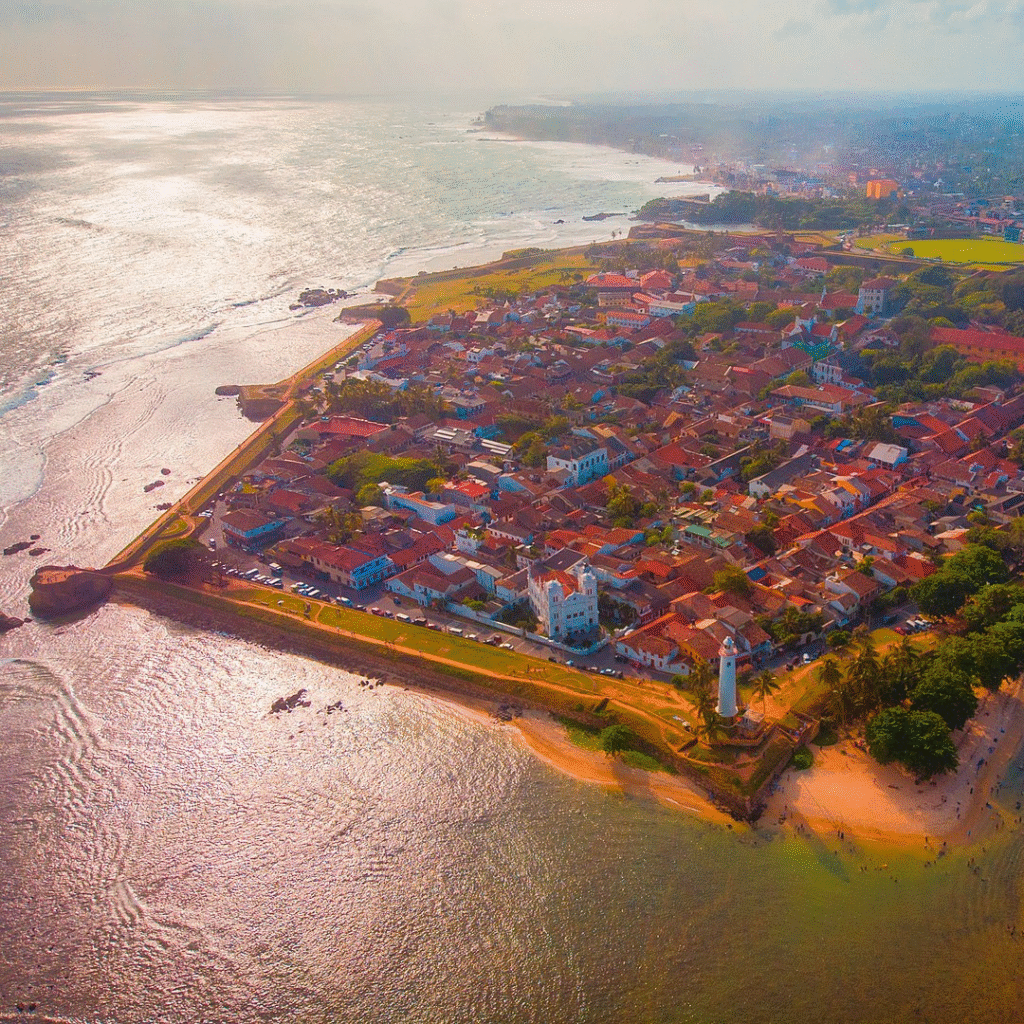
While the UNESCO-listed Galle Fort captivates millions with its colonial charm, the working Galle Port remains the dynamic heart of this coastal city. As the oldest and most historically significant harbor in Sri Lanka, the port connects the island’s rich past on the ancient Spice Route to its ambitious, modern future as a major maritime and tourism hub.
This comprehensive guide explores the historical, commercial, and future significance of the Port of Galle, providing essential context for anyone interested in Sri Lanka’s southern coast.
Long before the ramparts of the Dutch Fort were built, the natural harbour of Galle was a vital trading post.
Ancient Eminence: Referred to by some historians as the ancient port of Tarshish or Gimhathiththa, the Port of Galle was the main trading center of Sri Lanka (then Ceylon) for centuries, facilitating trade between Persians, Arabs, Greeks, Romans, and Chinese merchants as far back as the 4th century CE. It was a key stop on the Maritime Silk Road.
Colonial Zenith: Under Portuguese and later Dutch rule, Galle Port reached its peak importance. The Dutch East India Company (VOC) used it as their main port for exporting lucrative commodities like cinnamon, rubber, and copra. The massive fortifications of the Galle Fort were built specifically to protect these valuable commercial interests.
The Rise of Colombo: Galle’s prominence declined in the 19th century when the larger, safer, and deeper Port of Colombo was developed by the British. However, Galle remained active, handling smaller cargo and coastal trade.
The long history of Galle Port is why the city is such a rich tapestry of cultural influences, from the architecture within the UNESCO World Heritage Site to the names on the streets.
Today, the Port of Galle is the only commercial port on the southwestern coast of Sri Lanka. While it cannot accommodate the mega container ships that call on Colombo, it plays a crucial role in regional logistics.
Cargo Focus: The port currently handles general cargo, bulk cement imports (supporting local cement bagging plants), and coastal shipping. Its proximity to the main East-West shipping routes remains a strategic advantage.
Cruise and Leisure Gateway: Due to its close proximity to the internationally famous Galle Fort, the port has become an increasingly popular destination for international cruise ships. Passengers disembark directly into a city steeped in history, boosting local tourism and the economy of the southern province.
Sri Lanka Ports Authority (SLPA): The port’s operations are managed and overseen by the SLPA, which is driving the ambitious plans for its future development.
While the working port is generally restricted, visitors can easily appreciate its history and modern presence from the ramparts of the adjacent Galle Fort.
Best Viewpoint: Walk the ramparts between the Flag Rock and Point Utrecht Bastion (home to the iconic Galle Lighthouse) for the best views overlooking the natural harbor and the modern port facilities. You can often spot ships coming and going.
Maritime Museum: Located within the Fort’s old Dutch warehouses, the National Maritime Archaeology Museum offers deep insights into the history of the Port of Galle, its colonial trade, and the marine artifacts recovered from the surrounding waters.
The Galle Port stands as a powerful testament to the city’s enduring role as a global connector—a fascinating place where centuries of maritime heritage meet the cutting-edge of Sri Lankan development.

Explore the beauty, culture, and adventure of Sri Lanka with our trusted local experts.
We create memorable and personalized travel experiences for every traveler.
Contact Us



Copyright © Crown Tours Sri Lanka. All Rights Reserved.
Designed by Return Zero Solutions
WhatsApp us